The usual types of leadership - The good and the bad. [ESP] Los tipos de liderazgo habituales - Los buenos y malos.


LINK

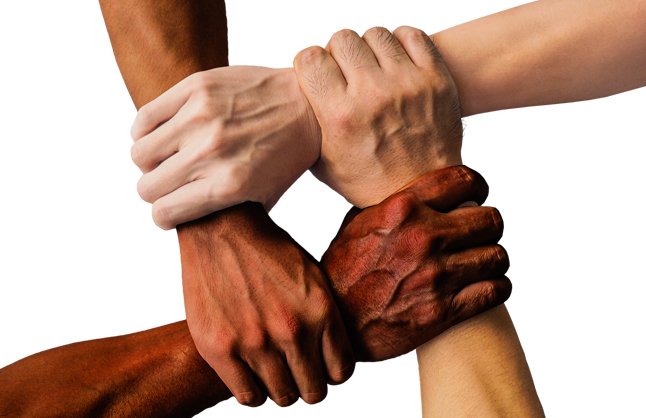
Now we come to democratic leadership, this is also well known for participatory leadership. This type of leadership is characterized by increasing enthusiasm among the workers and allowing the participation of the entire team, that is, of the entire group, it is also encouraged that the participants of the group do not act selfishly, but rather that all promote towards the same direction. The leader is open and promotes dialogue among all his followers and always takes into account the opinion of the group as long as the final decision is made by a superior.
The advantages of this type of leadership:
In this type of leadership, whoever is at the forefront as the leader wins over the employees as it encourages their decision-making process. And employees feel part of the company and any change that occurs within it, their affiliation is deeper and the commitment stronger, as well as their productivity and the ability to continue innovating. This allows these good employees to receive great incentives to stay in the organization this allows a great retention and decrease of talent turnover.
The most common disadvantages of this type of leadership:
Even though there is a consensus that this type of leadership has many advantages, many of the studies affirm that it also has many disadvantages, for example two. Many times there is a disagreement between two or more participants in the group and it is very difficult to overcome them, so the process of reaching the goal becomes too slow while another type of leadership in this sense can lead to this process being much faster. In addition, this type of leadership also needs the leader to have the ability to maintain motivation and as a result of the collaboration of the team members, it must also generate confidence since it demonstrates and manifests self-confidence. Being otherwise the balance of the team can be easily broken.
ESPAÑOL
LINK

Ahora llegamos al liderazgo democrático este también es muy conocido por el liderazgo participativo. Este tipo de liderazgo es caracterizado por aumentar el entusiasmo entre los trabajadores y permiten la participación del equipo completo es decir de todo el grupo, también se fomenta a que los participantes del grupo no actúen de manera egoísta, Sino que se promueve que todos impulsen hacia la misma dirección. El líder está abierto y promueve el diálogo entre todos sus seguidores y siempre tiene en cuenta la opinión del grupo siempre y cuando la decisión final sea tomada por un superior.
Las ventajas de este tipo de liderazgo:
En este tipo de liderazgo quien está al frente como líder se gana a los empleados ya que fomenta el proceso de decisión de estos. Y los empleados se sienten parte de la compañía y de cualquier cambio que se produzca dentro de ésta, su afiliación es más profunda y el compromiso más fuerte, así también es su productividad y la capacidad de seguir innovando. Esto permite que estos buenos empleados reciban grandes incentivos para quedarse en la organización esto permite una gran retención y disminución de la rotación del talento.
Las desventajas más comunes de este tipo de liderazgo:
Aún existiendo consenso que este tipo de liderazgo posee muchísimas ventajas, mucho de los estudios afirman que también tiene muchas desventajas por ejemplo dos. Muchas veces existe un desacuerdo entre dos o más participantes del grupo siendo muy difícil de superarlos entonces el proceso de alcanzar la meta se torna demasiado lento mientras que otro tipo de liderazgo en este sentido puede llevar a que este proceso sea mucho más rápido. Además también este tipo de liderazgo necesita que el líder tenga habilidad para mantener la motivación y como resultado de la colaboración de los miembros del equipo, también debe generar confianza ya que demuestra y manifiesta la confianza en sí mismo. Siendo de otra manera el equilibrio del equipo se puede quebrar fácilmente.