Social Emotional Learning (SEL): How It Can Benefit Your Child's Development

Social emotional learning (SEL) is the process through which children and adults learn to understand and manage emotions, set and achieve positive goals, feel and show empathy for others, establish and maintain positive relationships, and make responsible decisions. SEL skills are essential for academic success, mental and emotional health, and overall well-being. Numerous studies have shown that SEL skills can benefit children in a number of ways, including academic achievement, social skills, and emotional well-being.

The idea behind social emotional learning
Social emotional learning (SEL) is an educational approach that helps children develop important life skills such as empathy, self-awareness, and self-regulation. The goal of SEL is to help children become successful in both academic and social settings.
SEL programs typically involve activities and games that teach children how to manage their emotions, set goals, and resolve conflicts. Many SEL programs also include a component that helps children understand and respect the emotions of others.
SEL has been shown to improve academic performance, social skills, and overall life satisfaction. It is an important part of any child's education, and it can benefit children of all ages.
How social emotional learning can benefit your child
SEL can benefit your child in a number of ways. For example, it can help your child develop self-awareness, self-management, social awareness, and relationship skills. SEL can also help your child learn how to cope with stress and solve problems in a constructive way.
If you're looking for ways to help your child thrive academically, socially, and emotionally, consider incorporating SEL into your child's life.

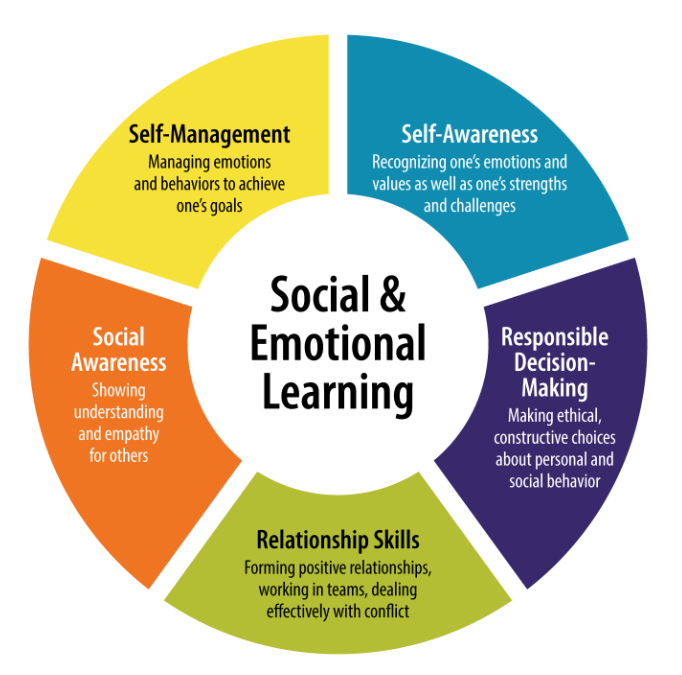
Why social emotional learning is important
As humans, we are social beings. We need connection and interactions with others to thrive. That’s why social emotional learning (SEL) is such an important part of our lives.
SEL has been shown to have a positive impact on academic performance, employment opportunities, and overall mental and physical health. It can also help reduce aggression and violence, and promote pro-social behaviors like helping and collaboration.
SEL is important because it helps individuals to be successful in school, work, and life. Individuals who have strong social emotional skills are more likely to do well in school, get along with others, and find success in their careers. SEL also helps individuals to effectively manage stress and adversity.
The benefits of social emotional learning for children
SEL has been shown to have a number of benefits for children. For example, children who have developed SEL skills are more likely to succeed academically, get along better with their peers, and display less aggressive and disruptive behavior.
SEL programs are becoming more and more common in schools, as educators and parents alike recognize the importance of teaching children these skills. If you're interested in learning more about SEL and how it can benefit children, read on for more information.


How you can support social emotional learning in your child's life
As a parent, you play a crucial role in supporting your child's social emotional learning (SEL). SEL is the process through which children develop the skills they need to manage their emotions, set and achieve goals, and build relationships.
There are a number of things you can do to support your child's SEL. First, you can talk to your child about their feelings and help them to understand and label their emotions. You can also help them to develop problem-solving and coping skills for when they are feeling overwhelmed or upset. Finally, you can model positive social behaviors for your child and provide them with opportunities to practice these behaviors.
By supporting your child's social emotional learning, you can help them to build the skills they need to thrive in life.
For more info, Please read from the source:
source1
source2